

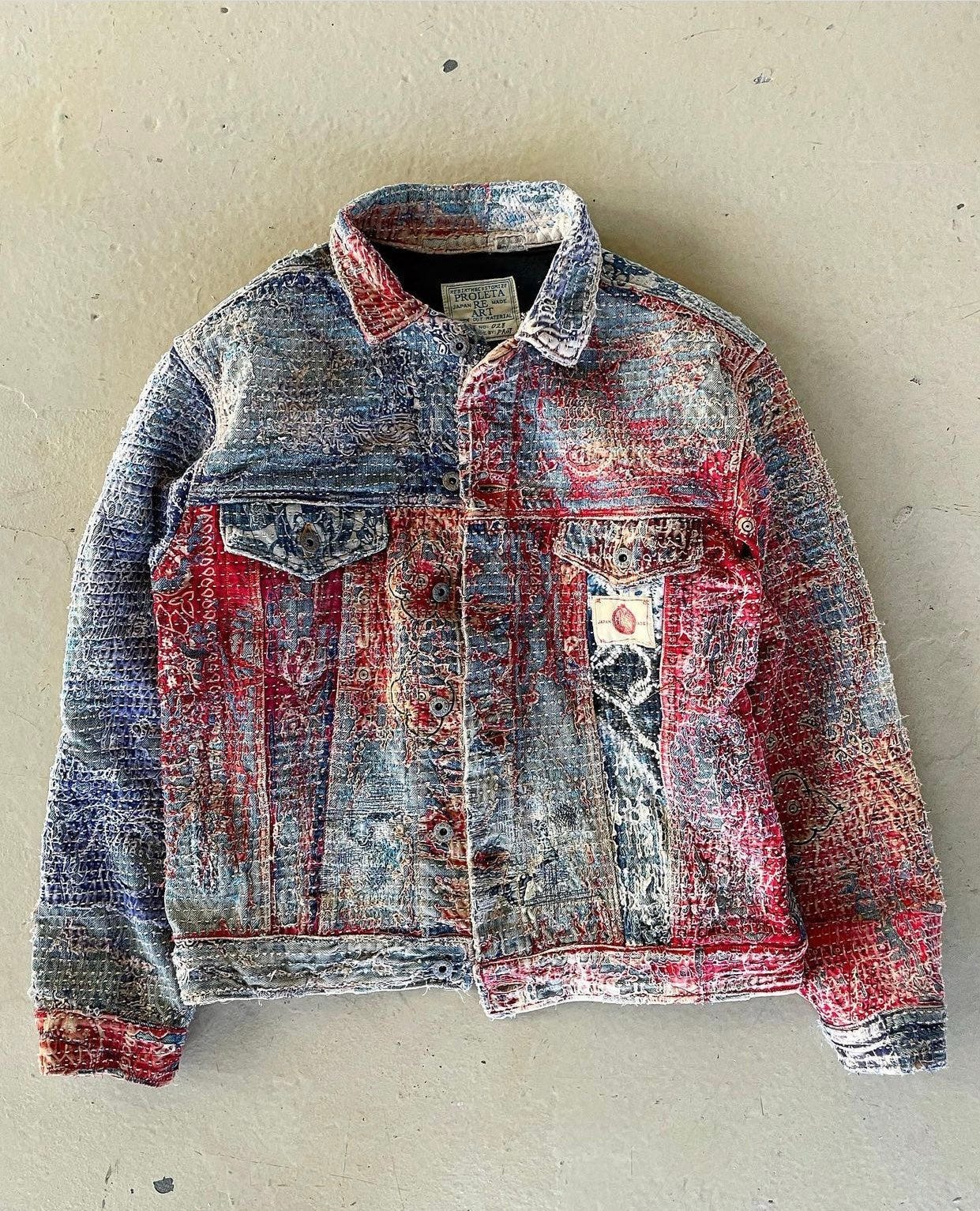
 Japanese Boro on Vintage Levi’s Denim
Sashiko is the style of embroidery and Boro are a class of Japanese textiles. The term is taken from the Japanese term ‘boroboro’ which translated means tattered or repaired.
Boro textiles are cotton, linen and hemp materials that are patched together to create practical pieces of clothing, everyday items or pieces of art.
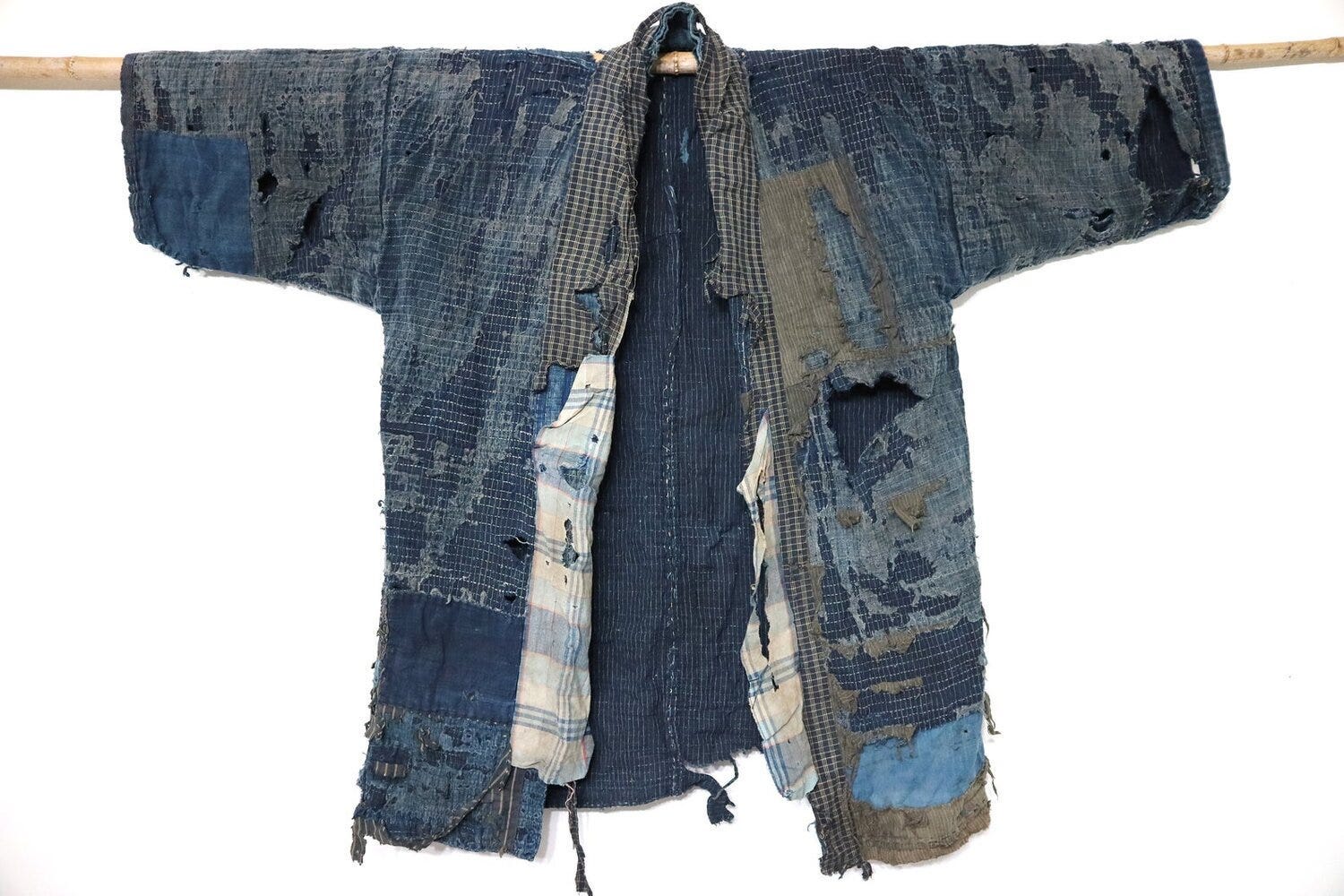
It is a tradition rooted in sustainability dating back to the Edo Period in Japan.
In the late 19th Century and early 20th Century fine silk and cotton fabrics were reserved for a select portion of the country’s upper class.
It was common for people such as farmers to make their own clothing, Sashiko was used by working class people such as fishermen in order to manufacture strong and practical workwear.
These garments were sturdy and able to be passed down through generations.
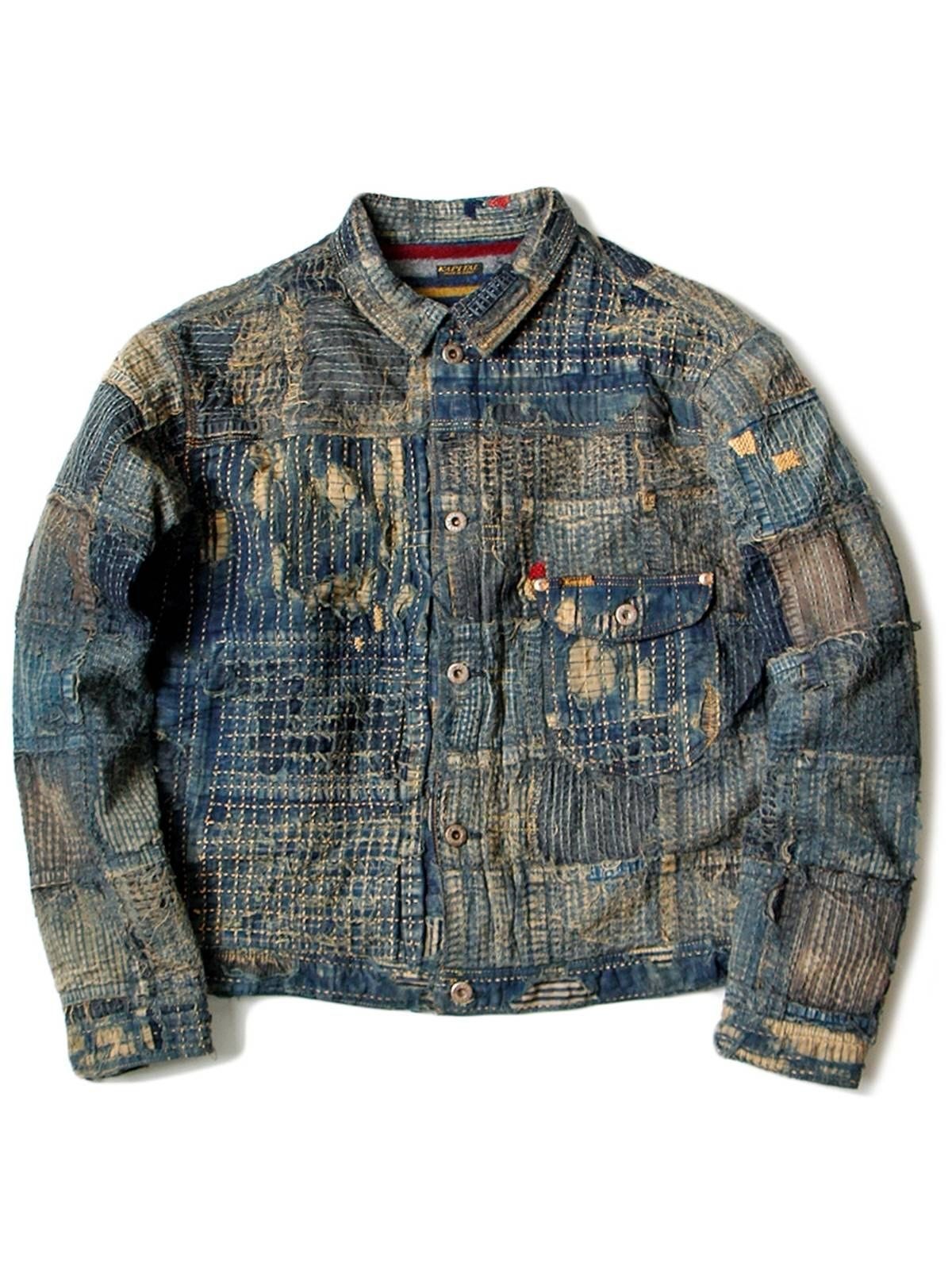
Strict laws meant that historically a common man in Japan was forbidden from wearing clothing that bore bright colours. Organic indigo dye was easy to grow and more economical, making it very accessible.
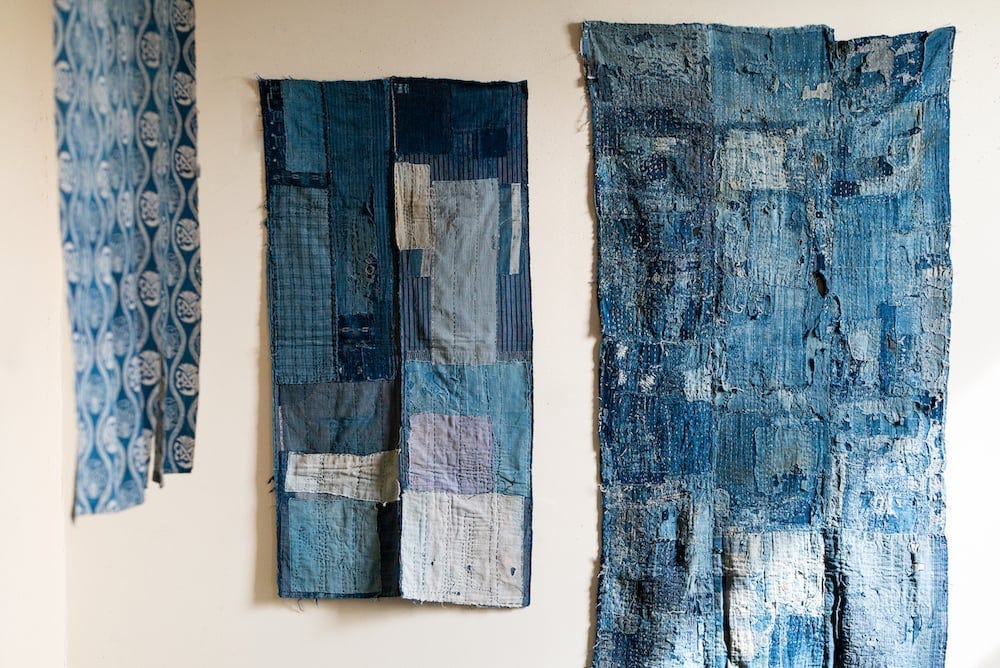
The differences between the two terms can be best broken down by explaining that Boro is an art form where textiles are mended. Sashiko on the other-hand is a practice of sustainable embroidery which strengthens fabric.
Boro textiles can be restored by overlapping and stitching spare or discharged pieces of fabric together and a Sashiko stitch is used to reinforce the material. A valued vintage piece of Sashiko often incorporates some Boro patches without appearing to be a patchwork, blending as a part of the garment.
Modern day
As a reflection of the Japanese Wabi-Sabi aesthetic where retro, original and authentic garments are prized. Brands Sterling Ruby, Visvim, Engineered garments, Kapital and PROLETA RE ART have helped popularise the art of Boro.
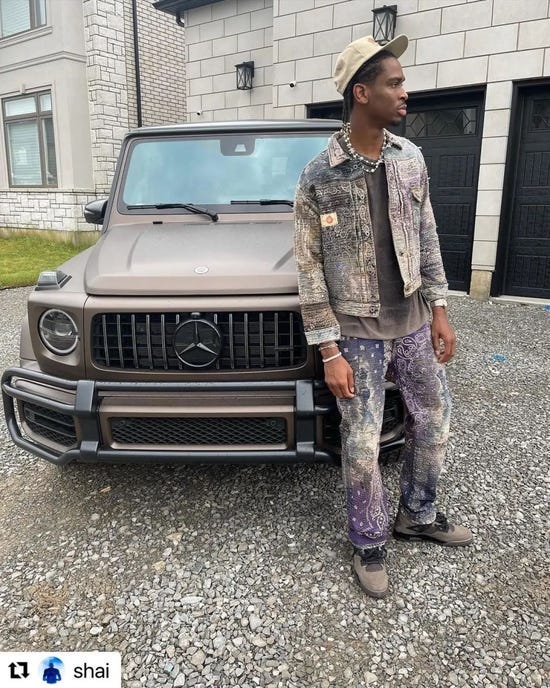
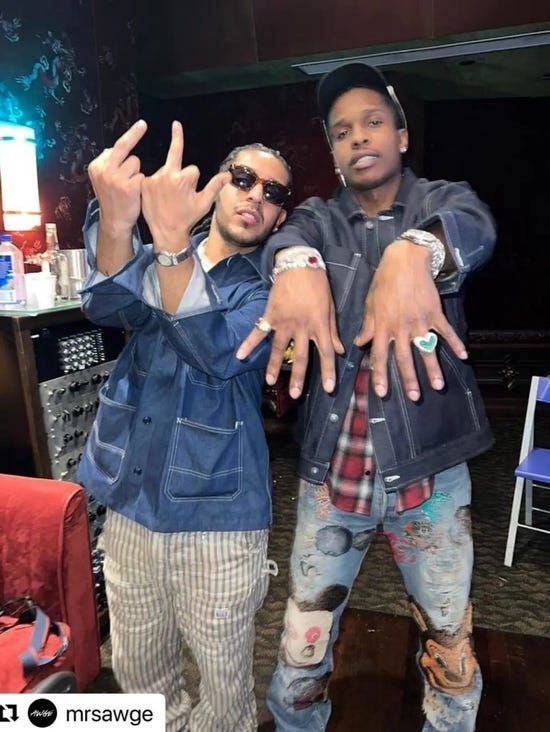
As a result, stars from the NFL, NBA and hip-hop/rnb scenes have been seen wearing Boro pieces. Including, Shai-Gilgeous Alexander, Lil Baby, Chris Brown, DJ Mustard, 21 Savage, Travis Scott, Odell Beckham Jr, A$AP Rocky and A$AP Bari.
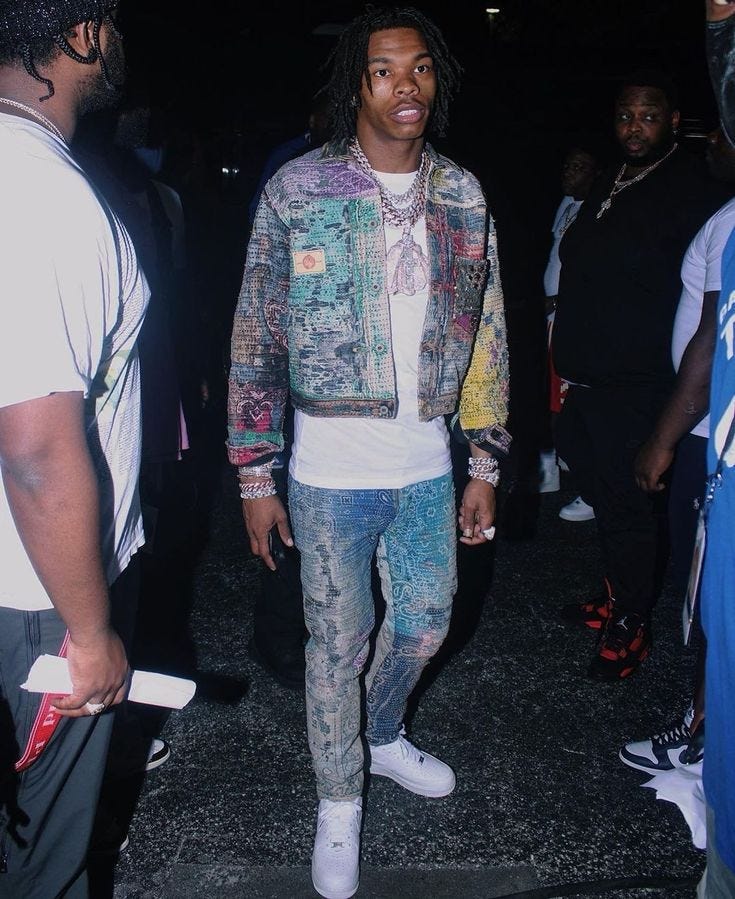
PROLETA RE ART STUDIO
“Proletariat workers in the non-productive class”. We started with the purpose of remaking and customizing old clothes and pieces that have completed their purpose, that were retired, so to speak. Using the power of design, crafting, and vintage processing, while taking advantage of the texture they had, we could reincarnate them as art.
— Mr. PROT
Established in March 2021, PROLETA comes from the English term — Proletarian and RE ART means upcycling, rebirthing old products into new works of art. Under the psydoneum Mr. PROT, designs are done by hand and made together with his tailor friend E.
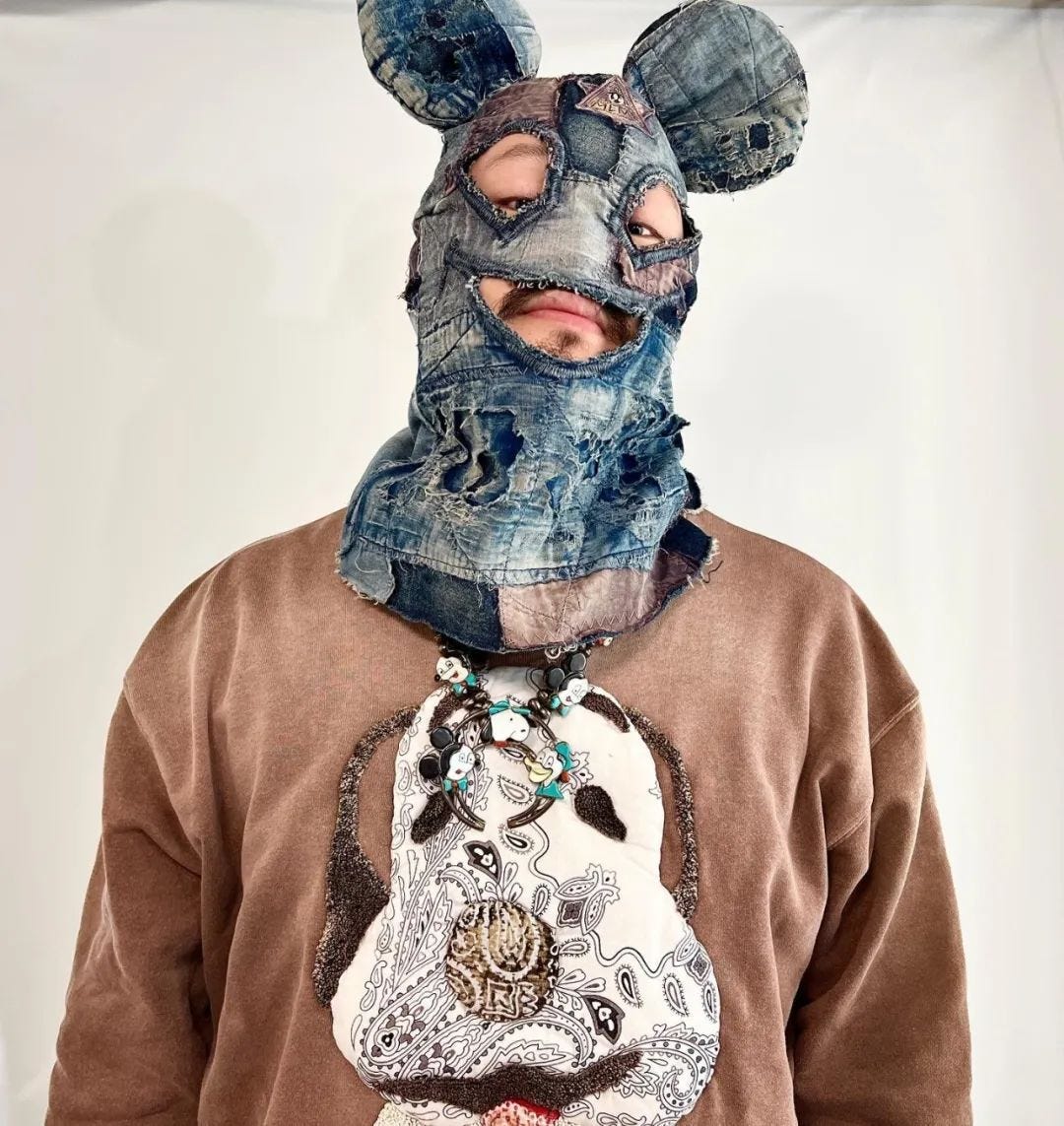
Each product they make is unique, with average production time lasting more than 24 hours. PROLETA RE ART have produced only more than 200 pieces.
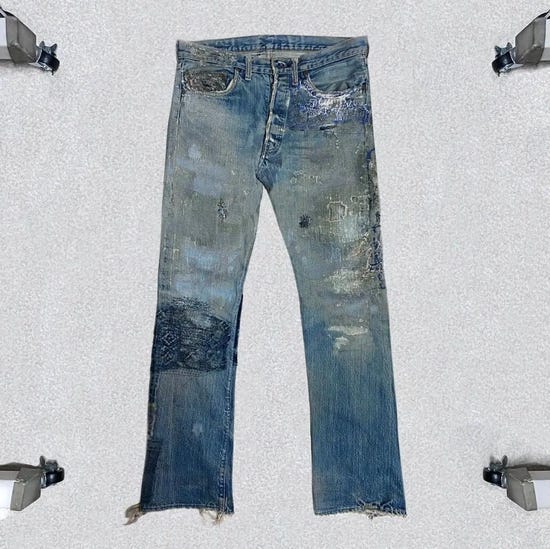
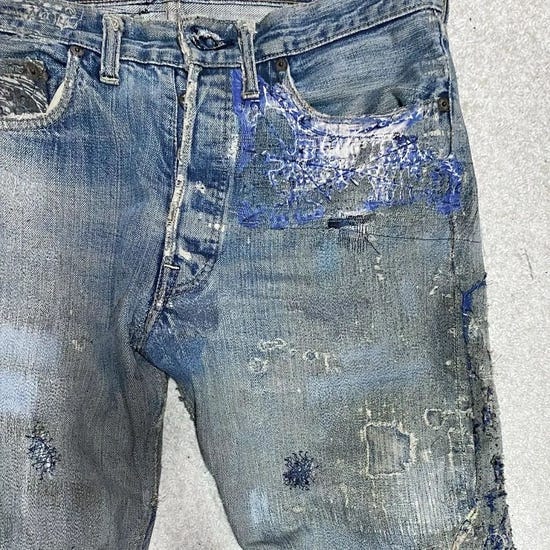
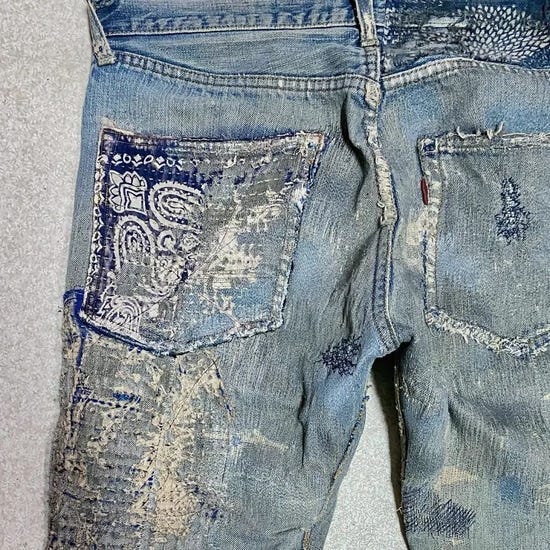
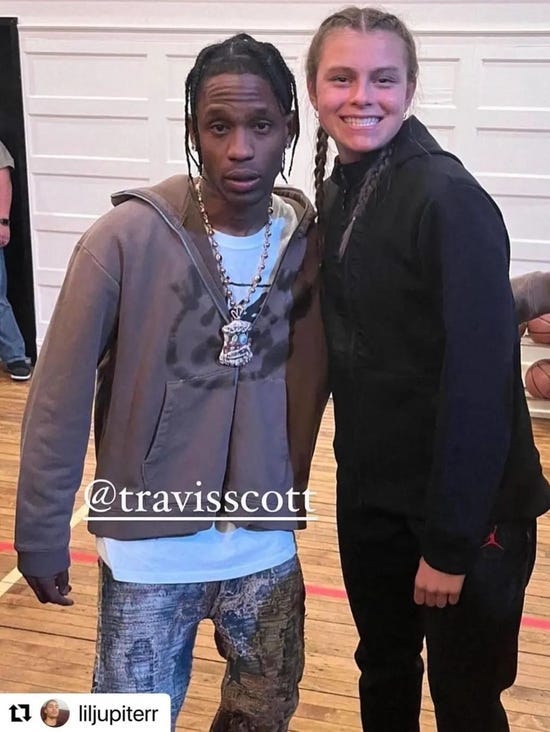
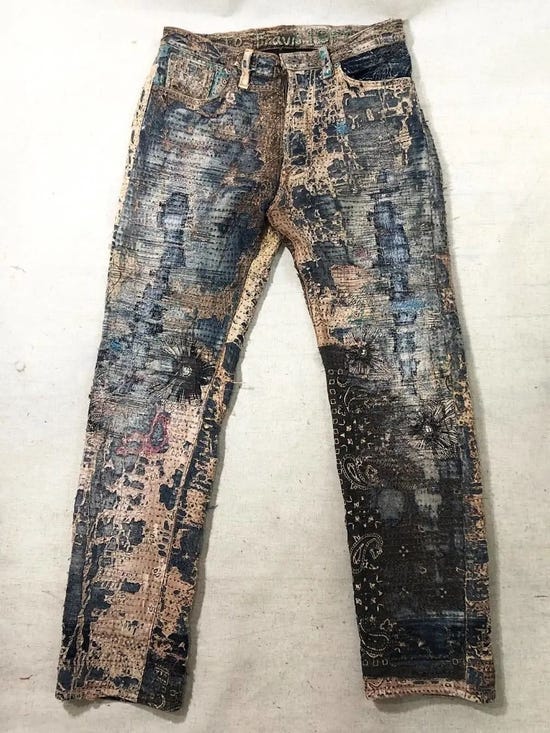
“The sustainability and ecological cycle claimed by the apparel industry today is very superficial. I think the real sustainability is through the power of design, so that customers feel that they want to keep these clothes for a lifetime.”
— Mr. PROT
Although Similar to current trendy brands Gallery Dept and READYMADE, the craftmanship and quality of PROLETA products is high and their prices reflect that, ranging from $1200 to over $3000.
UROBOROS series
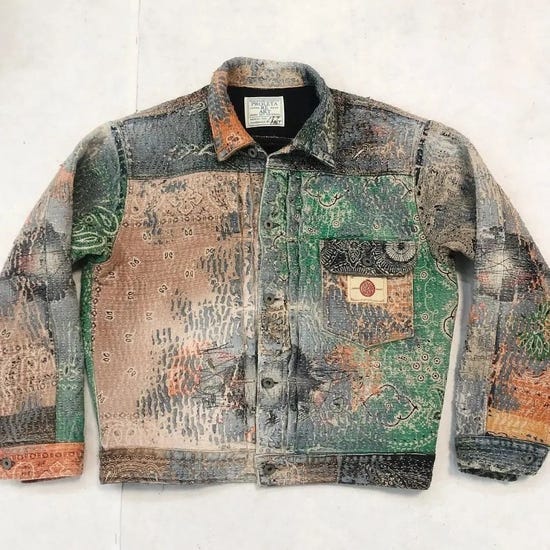
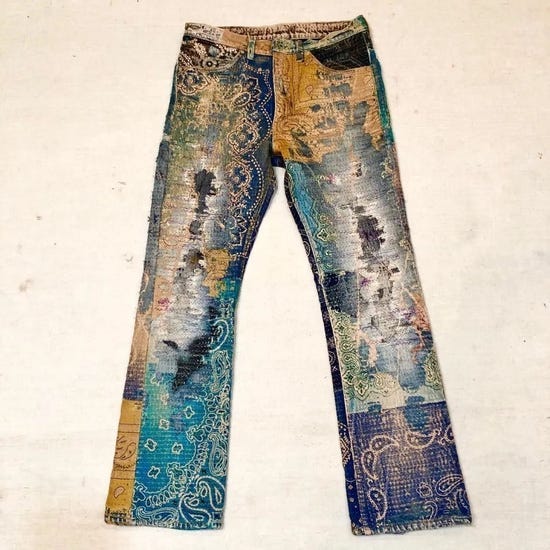
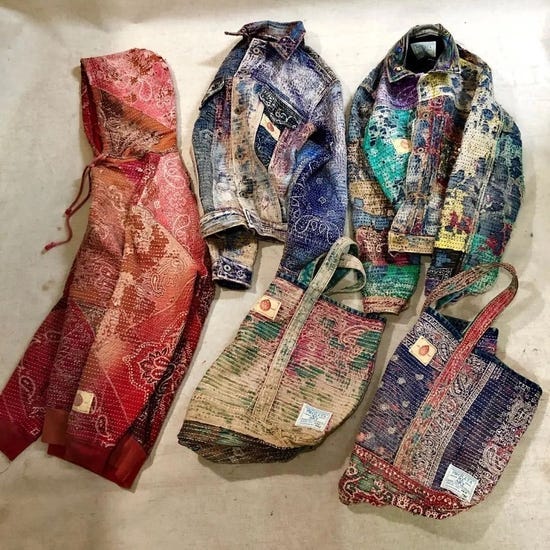
PROLETA RE ART has two lines — UROBOROS series and the MEME series. UROBOROS comes from the English term Ouroboros, it imbues the beliefs of reincarnation, eternal life, circulation and permanence (death and regeneration / destruction and creation).
The UROBOROS series features themes of Americana, badly damaged and old jeans, bags, hoodies and other pieces are taken apart and then combined with American-made vintage bandana’s and dyed fabrics, re-fused together and repaired.
MEME series
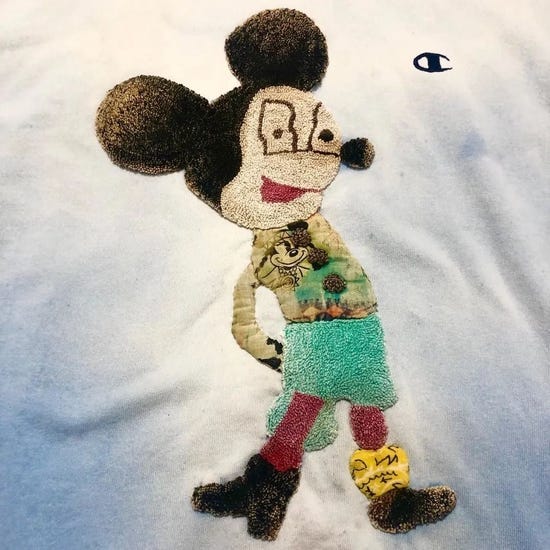
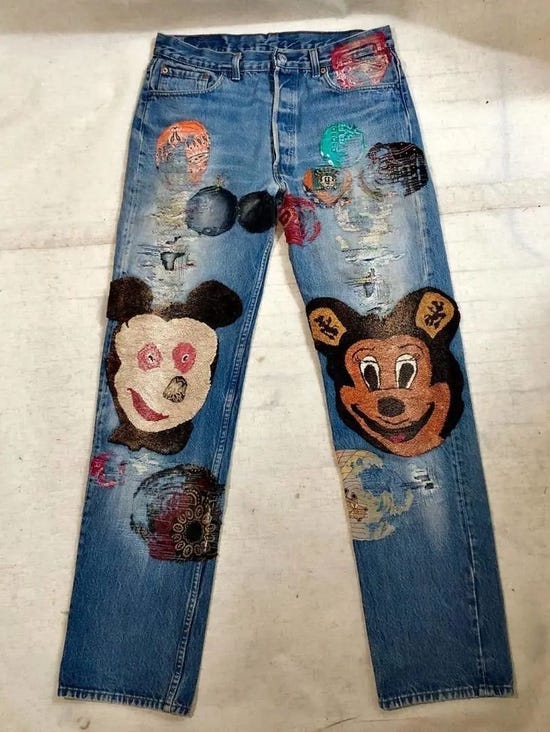
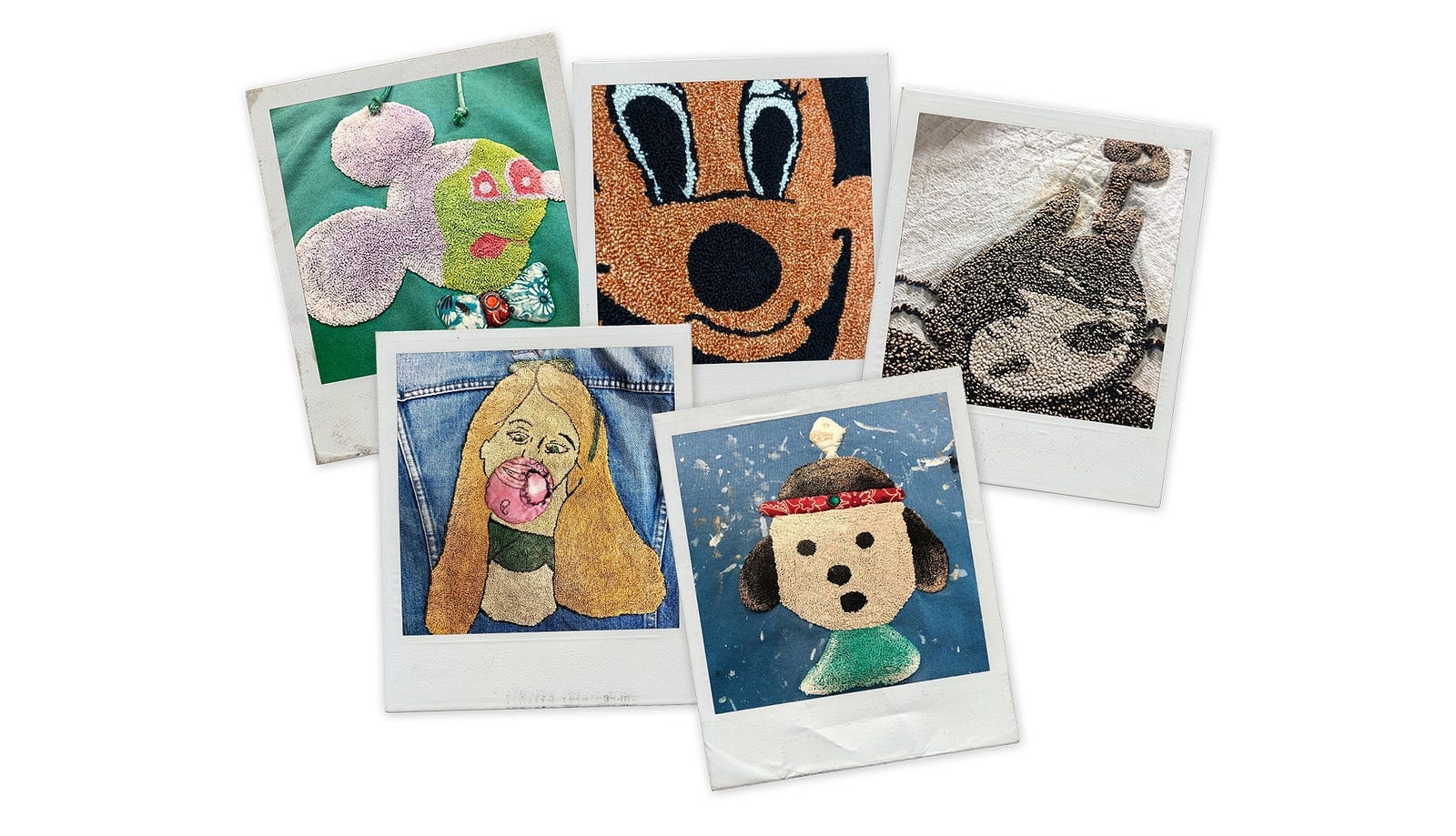
‘Meme’ is quoted from ‘Internet Meme’ and since he was a junior high school student, Mr. PROT has enjoyed looking for interesting images on the net and seeing pictures of bad characters drawn by children and amateurs.
For example tastefully distorted Mickey Mouse drawings on sign boards used for private shops and food stalls. When these works of art become exposed to the elements (rain and wind) and become weathered, and melancholy, they blend into the landscape.
A sight that strikes an emotional chord with Mr. PROT, a feeling he incorporates into the design of the ‘MEME’ series.
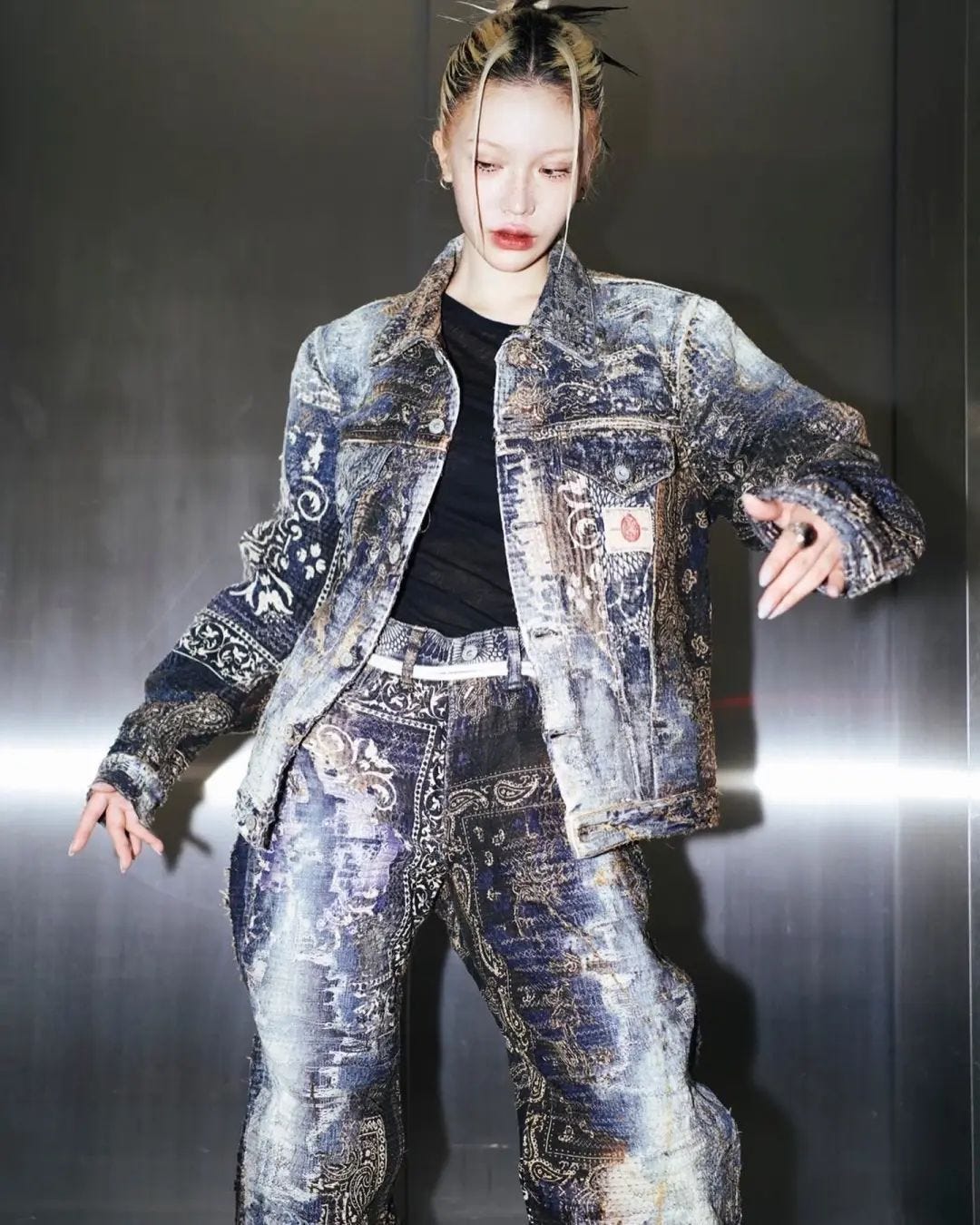
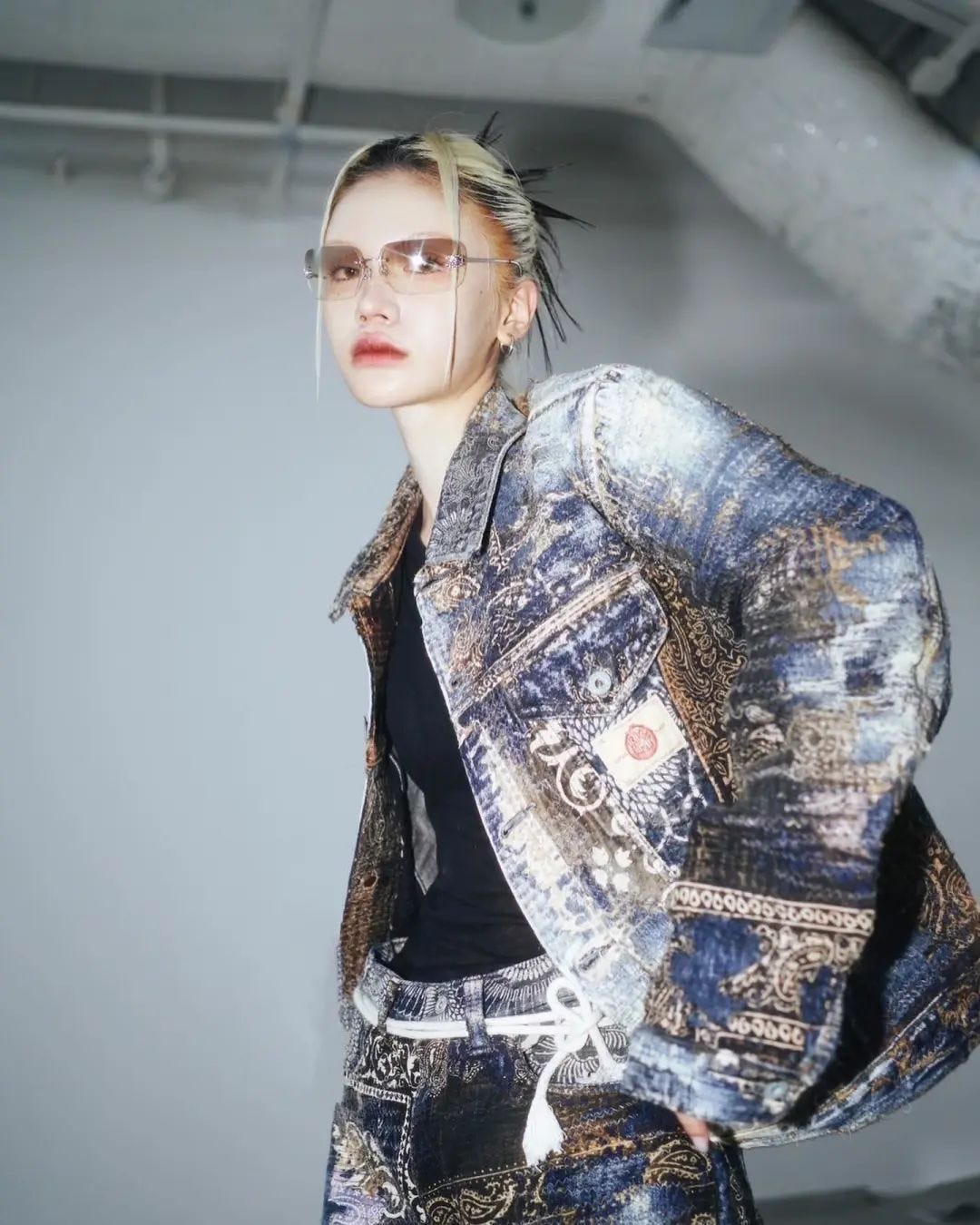
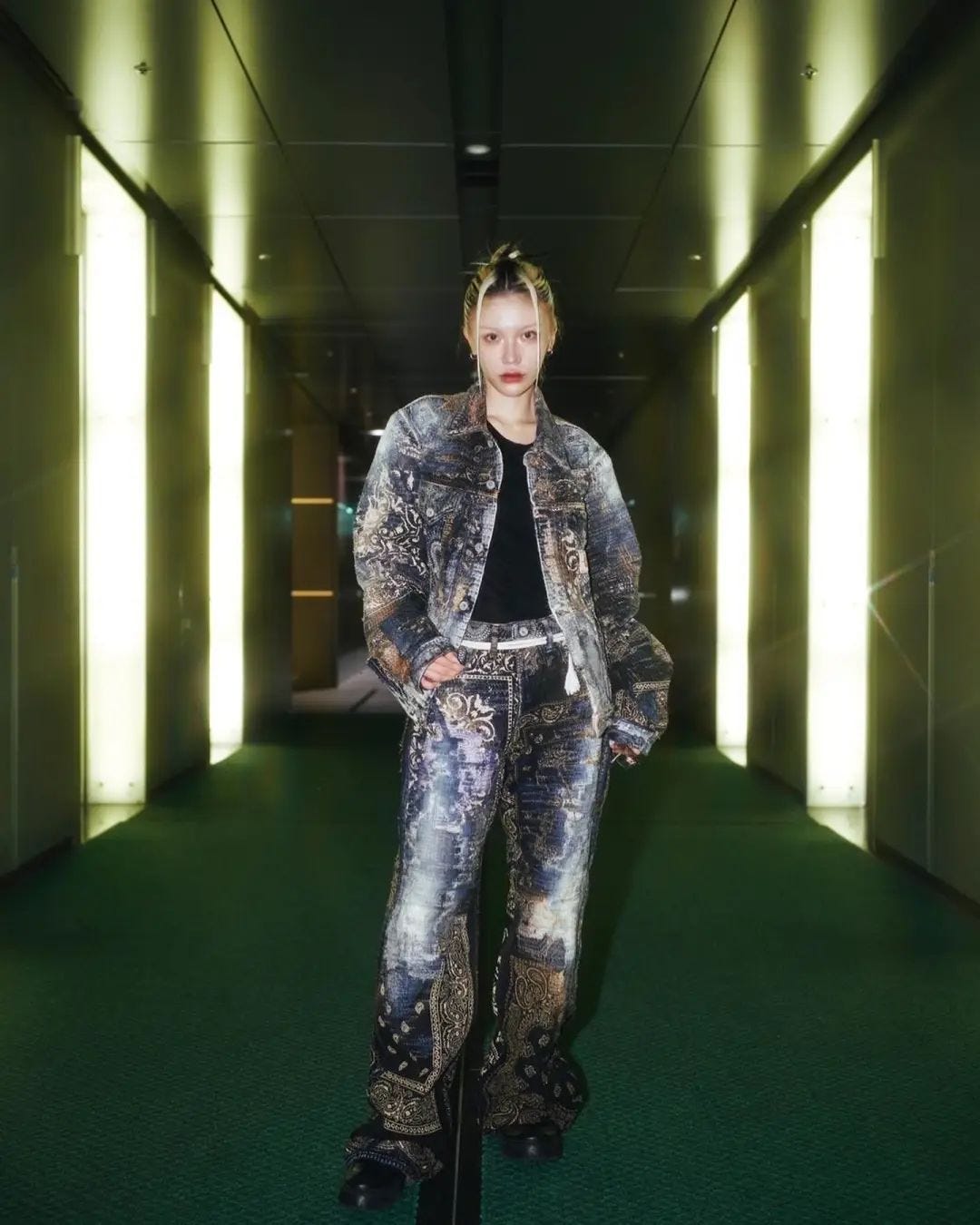
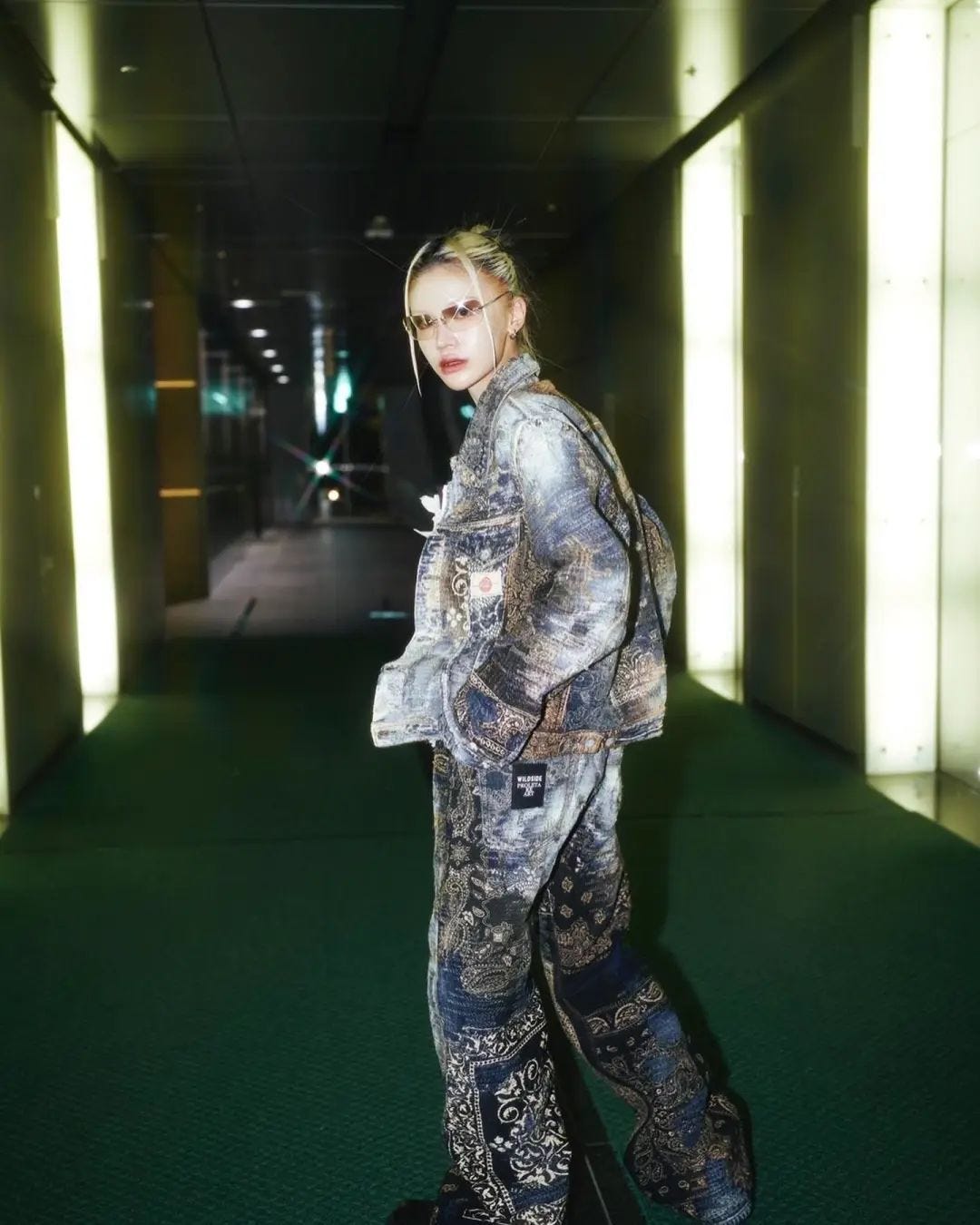
WILDSIDE YOHJI YAMAMOTO X PROLETA RE ART
PROLETA RE ART have collaborated with the notorious Korean fashion blogger Ken Ijima’s brand Vuja De and more recently Yohji Yamamoto’s latest concept brand and multimedia venture, WILDSIDE YOHJI YAMAMOTO.
Pieces from the second collaboration are available through a web draw via the official online store from 12:00 pm on January 18th here.
Click here for PROLETA RE ART’s 22–23 Collection and more information about the brand.